Enzo Died. Ferrari Didn’t.
Why the ultimate test of leadership is building something that continues to perform without you.
When Enzo Ferrari died in August 1988, he left behind more than a company. He left a question.
What happens when the founder is no longer there?
For decades, Ferrari had been inseparable from his personality. His standards shaped decisions. His expectations influenced behavior across the organization. Many wondered whether the company could maintain its level without his direct presence.
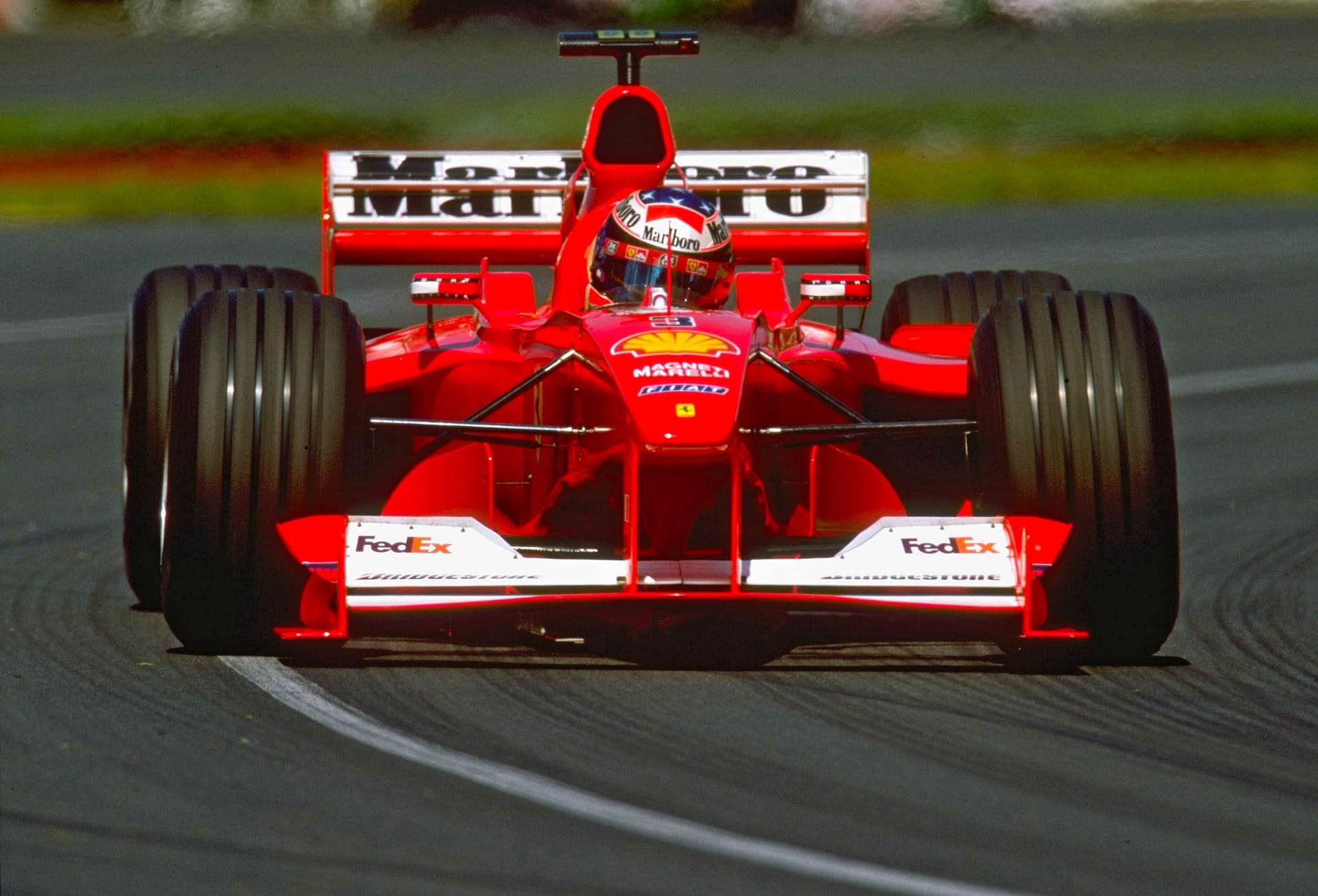
Weeks later, Ferrari competed at the Italian Grand Prix in Monza.
They won.
The significance was not simply the result. It was what the result demonstrated. The organization still functioned with clarity, discipline, and confidence. Performance did not depend on the founder being physically present.
That moment illustrated a principle many founders talk about, but few fully achieve. Building something that operates effectively without constant reliance on its creator.
Beyond the legend
To understand the depth of this achievement, it helps to understand the person.
Enzo experienced profound personal loss when his son Dino passed away at a young age. Dino had represented not only family but also continuity. Those close to Enzo observed that this loss deepened his sense of purpose.
Rather than retreat, he invested even more energy into building Ferrari. Some believe this period reinforced his determination to create something enduring, something capable of outlasting any individual.
The company’s commitment to excellence became even more pronounced. Expectations remained high. Standards remained uncompromising.
Leadership shaped by personal conviction often produces cultures with unusual resilience.
What culture really means
Culture is often described in abstract terms, but its true nature becomes visible under pressure.
In 1976, driver Niki Lauda suffered a severe accident at the Nürburgring. After significant injuries, he returned to racing within weeks. His decision reflected not only personal determination but also the environment around him.
Ferrari supported him while maintaining clear expectations. The organization did not lower its standards, nor did it create unnecessary pressure. The shared understanding of commitment guided behavior on all sides.
This is what a strong culture looks like. Not slogans, but a collective sense of responsibility and purpose that influences decisions when circumstances are difficult.
Culture is built through consistent actions over time, especially during challenging periods.
The years that followed
The decade after Enzo’s passing was not defined by immediate dominance in Formula 1. The team faced competitive challenges and periods of underperformance.
What is notable is not the struggle itself but the response. Ferrari remained committed to its identity. The organization continued investing in talent, refining processes, and preparing for future success.
In the mid 1990s, new leadership and drivers joined, including Michael Schumacher. The groundwork laid during the previous years contributed to a period of sustained success that followed.
Organizations with strong foundations can navigate difficult cycles without losing direction.
A question worth asking
For founders and CEOs, there is a practical reflection here.
If you stepped away from your company for an extended period, how would it operate?
Would decisions continue to be made effectively? Would standards remain consistent? Would teams feel confident handling unexpected situations?
Or would progress slow as people waited for guidance?
The answer reveals whether the organization depends primarily on individual effort or on shared capability.
Working intensely within a business is different from designing a business that performs reliably without constant intervention.
From indispensability to durability
Enzo Ferrari was known for being demanding. He expected high performance and took his role seriously. Yet his ultimate contribution was not simply driving results during his lifetime. It was embedding expectations deeply enough that they endured.
Leaders who focus solely on being essential risk-creating organizations that struggle in their absence. Leaders who invest in systems, judgment, and culture create durability.
The distinction becomes clear over time.
Three reflections for founders and CEOs
- First, consider whether the standards you hold are consistently reinforced across the organization. Culture reflects daily decisions more than formal statements.
- Second, think about legacy in operational terms. Which processes, capabilities, and norms would continue to function effectively without your direct involvement?
- Third, recognize that challenging periods are part of every company’s journey. Strong foundations allow organizations to navigate difficulty without losing their identity.
Enzo Ferrari spent decades setting expectations and reinforcing what the company stood for. The fact that Ferrari continued to perform after his passing was no coincidence. It was the result of deliberate leadership.
The measure of what you build is not only how it performs while you are present, but how it endures when you are not.
For founders, the question is simple yet demanding.
Are you building something that depends on you, or something that can stand on its own?
The Resolved Leader is a leadership transformation program for scaling founders ready to move from bottleneck to capability architect.